.png?width=1958&height=566&name=TerraBella%20Knightdale-Horizontal%20(1).png)
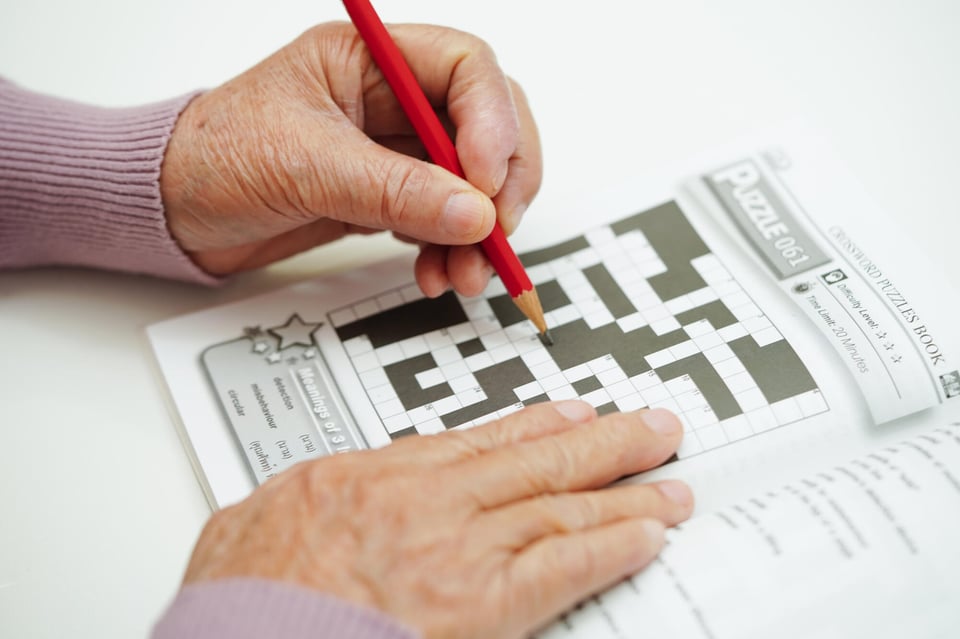
Word puzzles, card games, storytelling, and gentle problem-solving games often work best for older adults because they engage the mind without causing stress. Simple games that encourage thinking, remembering, and laughing together help support focus while still feeling enjoyable and approachable.
According to ReachLink, cognitive decline impacts 55 million people worldwide.
Brain games for elderly adults offer more than entertainment. Engaging activities create moments of connection, confidence, and purpose at any age. For older adults, the right games support attention, encourage curiosity, and bring a sense of joy into everyday routines.
Mental engagement does not need to feel like work to be effective. When games feel playful and familiar, participation becomes natural and rewarding in Knightdale, NC.
What Are the Best Brain Games for Elderly Adults?
Many of the best brain games for older adults focus on simplicity, repetition, and enjoyment. Card games like rummy or solitaire promote attention and sequencing in a relaxed way. The following can encourage recall and language skills without pressure:
- Crossword puzzles
- Word searches
- Trivia games
Story-based games also play an important role. Reminiscing games that prompt memories through photos or questions can feel comforting and engaging.
Such activities often support emotional connection while gently exercising the mind. Board games with clear rules and minimal setup work well, especially when played in small groups.
Creative games deserve attention, too. The following activities encourage imagination and self-expression:
- Drawing prompts
- Music-based guessing games
- Simple writing exercises
Creative play often reduces anxiety and builds confidence. Brain games succeed best when participants feel safe to try, laugh, and enjoy the moment.
How Often Should Seniors Play Brain Games?
Regular engagement matters more than long sessions. Short periods of play woven into daily routines tend to feel sustainable and enjoyable. Many older adults benefit from daily brain activities that last ten to 20 minutes at a time.
Consistency helps build familiarity. Games played at the same time each day often become comforting habits.
Morning puzzles can help start the day with focus, while afternoon games offer a refreshing mental break. Even casual activities like naming items in a category or recalling song lyrics count as meaningful mental exercise.
Balance remains key because too many challenges at once may feel overwhelming. Gentle variation keeps interest high without causing fatigue. Rotating between the following keeps the mind engaged while honoring individual preferences:
- Word games
- Memory support games
- Creative activities
Can Brain Games Improve Focus and Mood?
Brain games often support emotional well-being alongside mental engagement. Enjoyable activities stimulate attention while also creating positive feelings. When games encourage laughter or social connection, mood benefits naturally follow.
Focus improves when tasks feel achievable. Games designed for older adults often include clear instructions and manageable steps.
Completing small challenges builds confidence, which encourages continued participation. Positive reinforcement plays a major role in maintaining interest.
Mental wellness for seniors often thrives when activities feel purposeful and fun. Brain games provide structure without pressure.
Shared games create moments of connection that reduce feelings of isolation. Even solo games offer calm, mindful engagement that supports emotional balance.
How to Choose Brain Games That Feel Enjoyable
Personal preference matters more than trends. Some people enjoy numbers, while others prefer words or visuals.
Choosing games based on interests increases motivation and enjoyment. Familiar formats often feel less intimidating than brand-new concepts.
Accessibility should guide selection. Games with large print, clear contrast, and simple instructions reduce frustration.
Comfortable pacing allows participants to stay engaged without feeling rushed. Physical comfort also matters, especially for games that involve writing or handling pieces.
Joyful aging tools include games that feel playful rather than corrective. Avoid framing activities as exercises or tests.
Language that emphasizes fun and connection helps encourage participation. When games feel like leisure rather than obligation, engagement comes naturally.
Frequently Asked Questions
Are Brain Games Helpful for Elderly Adults With Memory Changes?
Brain games can still be helpful, even when memory changes are present. Activities that focus on the following often feel more comfortable than recall-based challenges:
- Repetition
- Recognition
- Storytelling
Familiar games provide reassurance and structure. Emotional engagement matters just as much as accuracy, especially when the goal involves enjoyment and connection.
What Are Easy Brain Games Seniors Can Play at Home?
Many easy games require little setup. The following activities work well:
- Word searches
- Matching games
- Category naming exercises
Listening to music and guessing song titles also engages memory in a relaxed way. Simple card games or journaling prompts encourage thinking without pressure or complexity.
Do Brain Games Need to Be Digital to Be Effective?
Digital games are not required for effectiveness. The following activities offer similar benefits:
- Paper-based puzzles
- Physical board games
- Conversation-based activities
Some older adults prefer tactile experiences, while others enjoy tablets or phones. The best format depends on comfort level and personal interest rather than technology.
Can Brain Games Be Played in Groups?
Group games often enhance enjoyment. Social interaction adds:
- Laughter
- Conversation
- Shared purpose
Team-based trivia, storytelling circles, or cooperative board games promote connection while supporting cognitive enrichment. Group play can increase motivation and help reduce feelings of isolation.
How Do Brain Games Fit Into Healthy Aging?
Brain games support thinking skills while also nurturing emotional well-being. Engaging activities encourage:
- Curiosity
- Confidence
- Routine
When paired with movement, conversation, and creativity, games become powerful, joyful aging tools that support overall quality of life.
What if Someone Feels Frustrated or Uninterested in Brain Games?
Frustration often means the activity feels too challenging or unfamiliar. Switching to simpler games or familiar themes can help. Allowing choice and flexibility matters.
Enjoyment should always come first, since positive feelings encourage participation and make mental engagement feel natural rather than forced.
Brain Games for Elderly Adults Play an Important Role
Brain games for elderly adults offer meaningful moments of focus, laughter, and connection. Gentle challenges encourage engagement without stress. When games align with personal interests, participation feels natural and rewarding.
Would you like to get more out of your retirement in Knightdale? At TerraBella Knightdale, we plan engaging events every day, including local excursions, themed parties, workshops, fitness classes, guest speakers, and so much more. Contact us to learn how we help our residents thrive.